Off-Grid Solar Power Systems for Emergency Home Backup
Introduction
With increasing power outages due to extreme weather, grid failures, or natural disasters, many households are turning to off-grid solar power systems for reliable emergency electricity. Unlike grid-tied systems, off-grid solar setups operate independently, ensuring continuous power even when the main grid fails. This article explores how off-grid solar systems work, their benefits, key components, and considerations for setting one up.
How Off-Grid Solar Systems Work
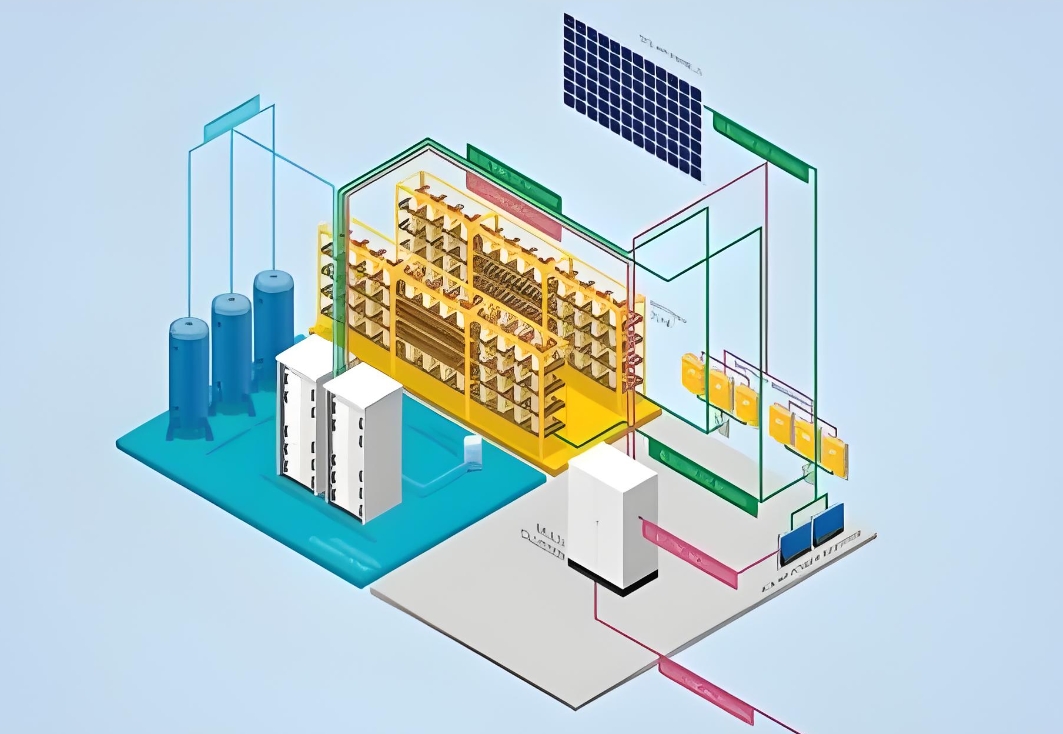
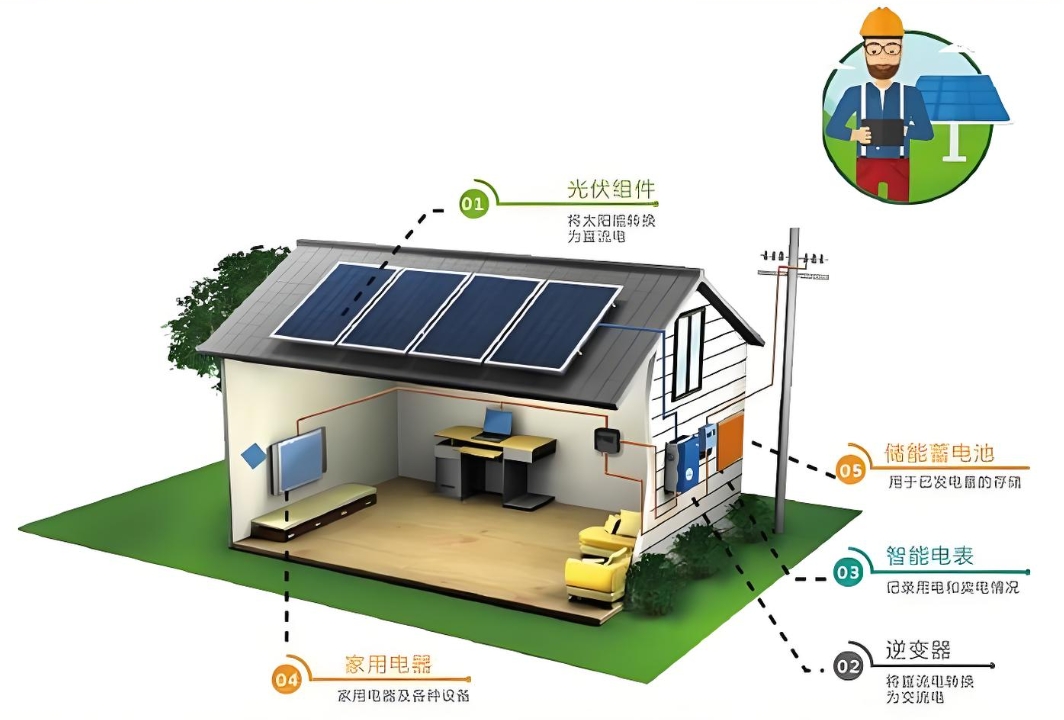
An off-grid solar system generates and stores electricity without relying on the public utility grid. Here’s how it functions:
1. Solar Panels – Capture sunlight and convert it into direct current (DC) electricity.
2. Charge Controller – Regulates the voltage from the panels to safely charge the batteries.
3. Battery Bank – Stores excess energy for use when sunlight is unavailable (e.g., at night or during storms).
4. Inverter – Converts DC electricity into alternating current (AC) to power household appliances.
5. Backup Generator (Optional) – Provides additional power during extended periods of low sunlight.
 Benefits of Off-Grid Solar for Emergency Power
- Energy Independence – No reliance on the grid, ensuring power during outages.
- Sustainability – Reduces carbon footprint by using clean, renewable energy.
- Cost Savings – Eliminates electricity bills and protects against rising energy prices.
- Reliability – Works in remote areas or places with unstable grid infrastructure.
Key Considerations Before Installation
1. Energy Needs Assessment – Calculate your household’s daily power consumption to size the system correctly.
2. Battery Storage Capacity – Ensure sufficient storage to last through nights or cloudy days.
3. Location & Sunlight Availability – Install panels where they receive maximum sunlight.
4. Maintenance Requirements – Batteries and panels need periodic checks for optimal performance.
5. Budget & Incentives – While initial costs can be high, government rebates or tax credits may offset expenses.
Conclusion
An off-grid solar power system is an excellent solution for emergency home backup, providing energy security and independence. By carefully planning the system size, battery storage, and installation, homeowners can ensure uninterrupted power during crises. As renewable energy technology advances, off-grid solar is becoming more accessible, making it a smart investment for resilient living.
Would you like recommendations for specific solar equipment or tips on optimizing energy use? Let us know in the comments!